6 October 2026, Singapore
Commentary by Gloria James-Civetta
Assisted by Noelle Teoh, Associate, Gloria James-Civetta & Co
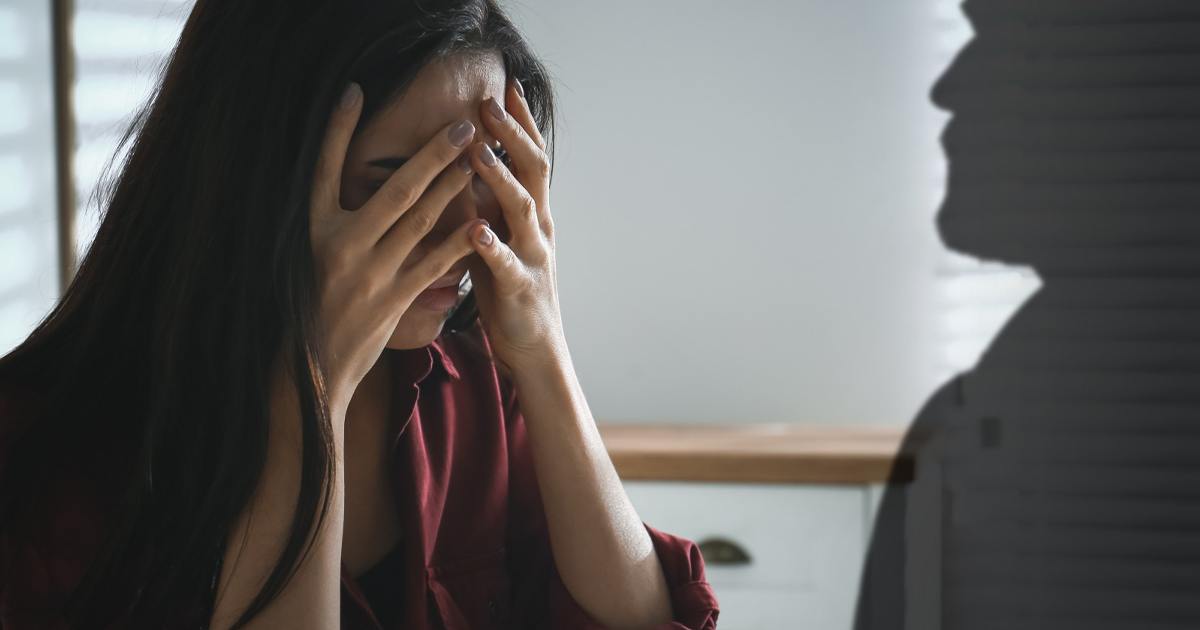
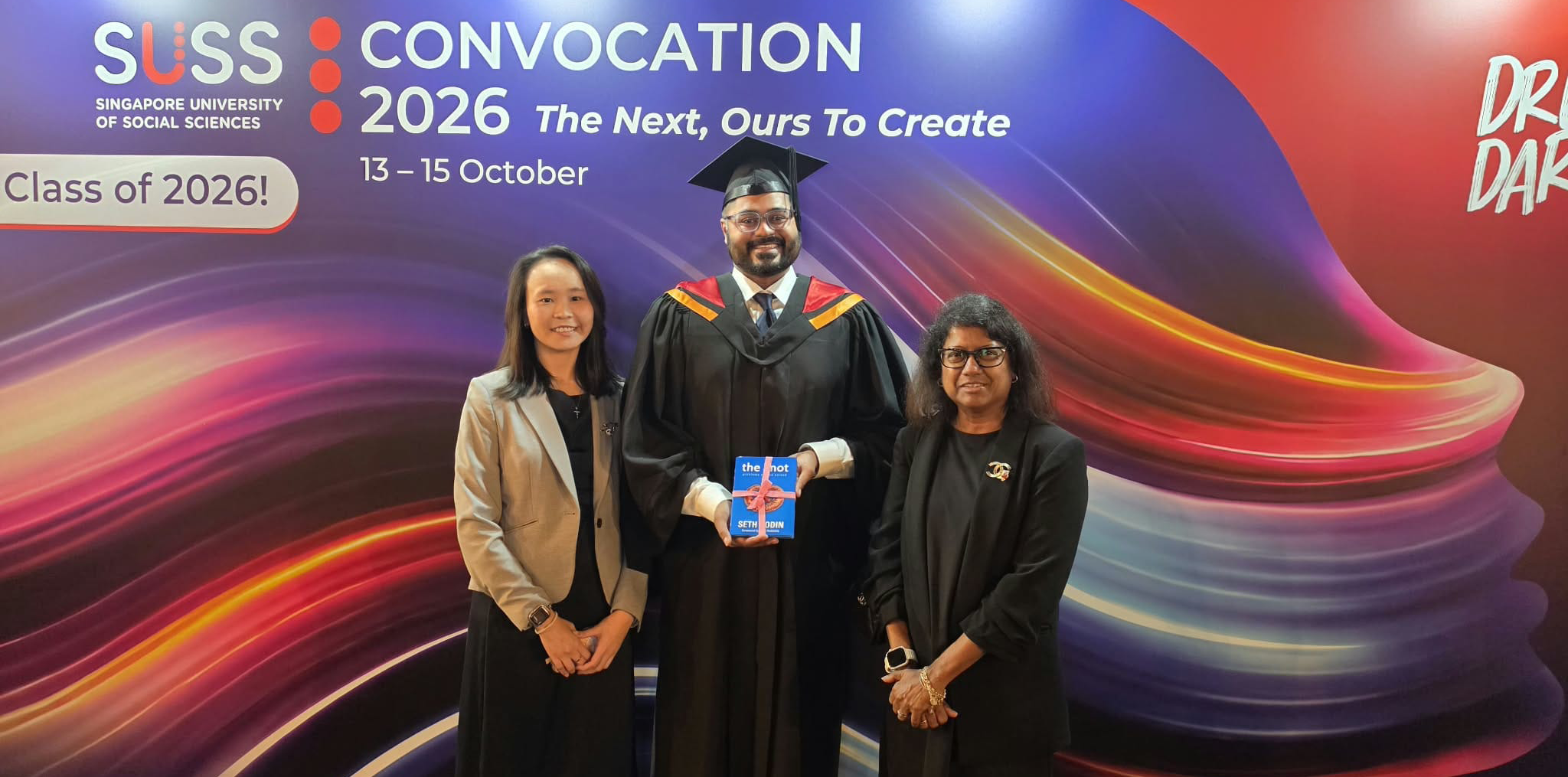
Gloria James-Civetta, Head of Family Law at Gloria James-Civetta & Co, assisted by fellow lawyer Noelle Teoh, has written for CNA Commentary on a situation many people may encounter: what should you do when a stranger makes you feel unsafe in public?
In the commentary, Gloria examines recent incidents in Singapore that have prompted discussion about how people should respond when they believe they are being followed, watched or approached in a way that makes them uncomfortable.
She considers both the legal position and the practical question of personal safety, including when behaviour may cross the line into harassment or unlawful stalking, whether filming can help preserve evidence, and why confronting or pursuing a stranger may sometimes create greater risk.
When Can Behaviour Become Unlawful Stalking?
As Gloria explains in the CNA commentary, context matters.
Simply walking behind someone or looking at another person does not automatically amount to an offence. However, the situation may be different where a person repeatedly follows someone, waits when they stop, reappears after they change direction, loiters nearby or continues watching them as they try to leave.
Singapore’s Protection from Harassment Act (POHA) addresses unlawful stalking.
Conduct associated with stalking can include following someone, loitering near places they frequent and keeping them under surveillance.
The circumstances surrounding the conduct are therefore important when considering whether behaviour has moved beyond an uncomfortable encounter and potentially into unlawful stalking.
Should You Film Someone Who Makes You Feel Unsafe?
Taking out a phone to record an uncomfortable encounter has become an instinctive response for many people.
A recording may help preserve useful evidence, for example, what was said, how close someone came or whether the person continued following after being asked to stop.
Gloria explains in the CNA commentary that it is generally not against the law to photograph or film another person in a public place without their consent. However, that does not mean filming should become the priority in every situation.
Personal safety should come first.
Following someone to obtain a clearer recording, moving closer to someone you fear or escalating an encounter through confrontation can potentially increase the danger.
Where someone genuinely feels threatened, the safer response may be to move towards other people or a more secure location, seek assistance and contact the police where appropriate.
Confront, Film or Walk Away?
There is no single response that will be appropriate in every uncomfortable encounter.
What matters is recognising the difference between preserving evidence and unnecessarily escalating the situation.
A person may understandably want answers about why someone appears to be following or watching them. But pursuing that person or attempting to investigate the situation personally can create additional risk.
Gloria’s commentary emphasises a practical principle: your safety is more important than obtaining the perfect piece of evidence.
Read Gloria James’ Full Commentary on CNA
Personal Protection Orders and Family Violence
It is important to distinguish protection under POHA from a Personal Protection Order (PPO).
POHA deals with conduct such as harassment and unlawful stalking and can apply outside a family relationship.
A PPO, on the other hand, is a protective order associated with family violence. It may be relevant where threatening, abusive or violent behaviour occurs within a family relationship.
For those experiencing family violence in the context of a marriage or separation, our guide explains Personal Protection Orders and how PPO proceedings can interact with divorce and other family-law matters.
Read more: Protecting Yourself Against Unwanted Harassment
About Our Lawyers
Gloria James
Gloria James-Civetta is Head of Family Law at Gloria James-Civetta & Co. With approximately 30 years of experience in family law, her practice includes divorce, family violence, protection orders and other complex family matters.
Her contribution to CNA forms part of her broader commentary on legal issues affecting individuals and families in everyday situations.
View Gloria James’ CNA author profile
Noelle Teoh
Noelle Teoh is an Associate at Gloria James-Civetta & Co, practising in both family law and criminal law. Her work includes divorce and family-related matters as well as criminal cases, giving her experience across issues where personal safety, family relationships and criminal conduct may intersect.
 When Someone Makes You Feel Unsafe in Public: Gloria James Writes for CNA