
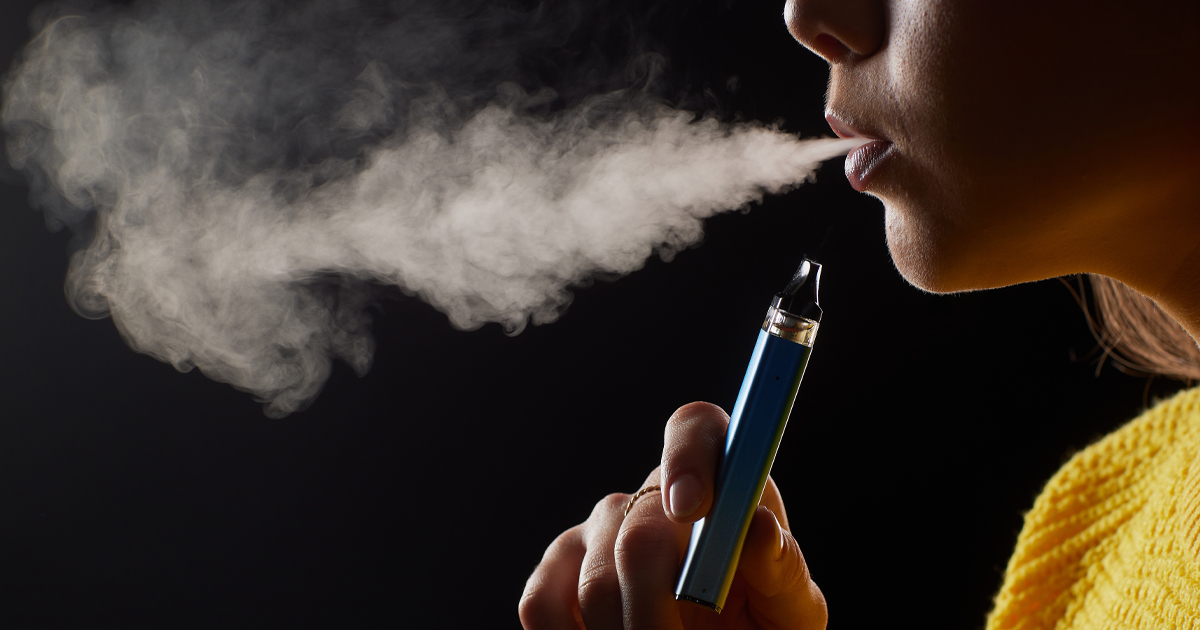
- Importing, selling, offering for sale, exporting, distributing or possessing vapes for sale is an offence under the Tobacco (Control of Advertisements and Sale) Act.
- Even possessing, using or purchasing vaping products is an offence, and is subject to penalties.
Penalties for Suppliers & Sellers
For those involved in the supply chain, selling, offering to sell, importing, distributing or possessing vapes with intent to sell:
On conviction, they can be fined up to $10,000 and/or jailed for up to six months for a first offence.
Subsequent offences can attract fines up to $20,000 and/or jail up to 12 months.
The Law on Etomidate before 1 September 2025
Before 1 September 2025, etomidate was classified as a poison and regulated under the Poisons Act 1938. Under this law, anyone found in possession, using, or trafficking etomidate could face a maximum penalty of two years in jail and a $10,000 fine.
Classification of Etomidate in Misuse of Drugs Act from 1 September 2025 onwards
From 1 September 2025, etomidate will be classified as a Class C drug under the Misuse of Drugs Act 1973 in response to growing societal concerns. Under the new classification, anyone caught possessing or using the substance illegally may face up to 10 years in jail and a $20,000 fine. Those involved in trafficking Class C drugs may also face up to 10 years in jail and five strokes of the cane.
The Misuse of Drugs Act also provides for supervision and mandatory rehabilitation for addicts. Anyone admitted to a rehabilitation centre must remain there for 12 months, unless discharged earlier, to ensure proper treatment and reduce the risk of relapse.
In August 2025, the State Courts sentenced a man to 16 months in prison for producing vape pods laced with etomidate. The court highlighted the importance of deterrence in cases involving this substance, pointing out the severe risks of etomidate abuse.
The drug had been detected in several unnatural death cases, including a fatal traffic accident, underscoring its potential to cause serious harm. With the Misuse of Drugs Act amendments coming into effect on 1st September 2025, it will be interesting to see how courts apply the stricter penalties in future cases.
Why Sentencing Has Shifted
In response to rising vape-related cases and public concern, authorities have reviewed sentencing positions for vaping offences. This means that in practice, prosecutors are increasingly asking for stiffer penalties within the legal range because they see the harms as rising and older sentencing patterns from 2022–24 as less appropriate given current trends.
Vaping as a Public Health and Safety Issue
The government has explicitly stated that vaping, especially when associated with harmful substances, is being treated more severely than before. This shift recognises:
- A growing prevalence of vaping, particularly among young people.
- Concerns that vaping products beyond traditional tobacco may contain harmful or illicit substances.
- A danger of nicotine addiction and potential transition to more harmful behaviours.
In an interview in July 2025, Singapore’s Minister for Health, Mr Ong Ye Kung, revealed that approximately one in three vapes seized during recent enforcement operations and tested at random was found to contain etomidate.
Etomidate was designed to be injected directly into the veins under clinical supervision for anaesthetic purposes. The substance was never meant to be inhaled directly into the lungs.
He also confirmed that there have been several deaths linked to abuse of etomidate, highlighting the serious risks these tiny pods pose and the urgency for awareness, regulation, and caution among users, parents, and educators.
Changing Public Expectations
Courts have acknowledged that public sentiment around vaping has changed, and sentences should reflect current community norms and health policy objectives. That means heavier penalties are now more frequently advocated where the law allows.
Reflection on the Seriousness of Vaping Offences
Although vaping was once framed as a tobacco-control issue, Singapore’s approach has shifted towards treating it as a comprehensive public health and safety concern. This is due to:
- Perceived risks of addiction and harm, especially among youth, which the government wants to prevent early.
- The way vape products can be used as vehicles for harmful substances, creating wider health and social issues.
Singapore also pairs enforcement with rehabilitation and education, recognising that many first-time offenders are young and may benefit more from intervention than punishment alone.
Deterrence Through Enforcement
By enforcing the law more strictly, including through higher sentencing recommendations, authorities aim to:
- Deter would-be sellers and distributors from participating in the illegal vape market.
- Signal to the public that vaping is not a trivial matter but one with legal and social consequences.
- Encourage compliance and reduce the prevalence of vaping among vulnerable groups.
Balancing Punishment and Rehabilitation
The legal framework balances punitive measures for supply-side offences (e.g. sale and distribution) with rehabilitative measures for repeated possession/use. This reflects the dual goals of:
- Protecting public health and reinforcing the rule of law.
- Offering opportunities for cessation and behavioural change for individuals.